
- Eleven-year-olds are tweens — the fastest way to lose them is a hunt that feels babyish. Give them secret codes, real stakes and a bit of tech. Plan 6–10 clues at home (or 10–15 for a neighbourhood mission) over 45–60 minutes.
- They’ll happily sustain a 45–90 minute hunt if you mix it up — physical searching, mental puzzles and a phone element in rotation keeps engagement high.
- Lean into competition: small teams (2–4) with defined roles and a points score per clue by difficulty. Pure “find and return” collaborative hunts read as too young at eleven.
- They can roam the neighbourhood in a buddy team with clear boundaries — and they do not want a parent shadowing them.
- Secret codes are the heart of it: number codes, first-letter puzzles, ciphers. Save the key sometimes to make them work the pattern out.
The Real Challenge at 11: Keeping Tweens Hooked
Let’s be honest about the tricky bit. An eleven-year-old will absolutely do a treasure hunt for 11 year olds — but only if it doesn’t feel like something they’d have done at six. At the cusp of secondary school, they’re self-conscious about “kids’ games,” so the whole thing has to feel clever, competitive and a touch grown-up. Get that right and they’re all in.
The good news: they can sustain a proper 45–60 minute hunt (longer for a neighbourhood mission) as long as you vary the texture — a code to crack, then a physical search, then a photo challenge on the phone. It’s monotony, not length, that loses a tween. Plan 6–10 clues for a home hunt, scaling to 10–15 if you’re taking it around the block.

Secret Codes That Feel Grown-Up
Codes are the beating heart of an eleven-year-old’s hunt. They’re old enough now to work out a pattern, so you can occasionally hold back the key and let them crack it — a real “we did it” moment.
- Number codes (A=1) and first-letter puzzles (“Sofa, Iron, Nest, Kite” → SINK)
- Cipher discs (a shift cipher on a spinning card) — hand it over as a “gadget”
- Grid references — draw a rough map of the house and send them to “B3”
- Reverse and combine — read backwards, then take every second letter
Everything you need is in our secret codes for treasure hunts guide, and escape room party at home shows how to build it into a mission.
Grab our Secret-Code Mission Cards for 11-Year-Olds (PDF) — six tween-level codes and challenges (answers included), a how-to and a certificate. Print, cut, hide.
6 Codes & Challenges for 11 Year Olds (With Answers)
- Number code (A=1): “12-1-13-16” → LAMP
- First letters: “Sofa, Iron, Nest, Kite” → SINK
- Reverse it: “K-S-E-D” backwards → DESK
- Grid reference: “Go to the room marked B3 on your house map.” → your chosen room
- Riddle: “I buzz and I ring, I wake you for school — what am I?” → alarm clock
- Final code: “The box opens with the year you were born.” → birth year
Team Scoring & Friendly Competition
Tweens are motivated by winning, so build it in properly:
- Small teams (2–4) with roles — cipher master, navigator, scribe.
- Points per clue by difficulty: easy clues 5 points, hard ciphers 20. Add a leaderboard.
- Time bonuses and small penalties for using a hint — it makes strategy part of the game.
- A prize worth caring about: at eleven, chocolate coins won’t cut it — think a small gadget, a voucher, or bragging rights they’ll actually value.

Neighbourhood & Tech-Powered Hunts
Eleven-year-olds want a bit of independence, so a neighbourhood mission is perfect — with structure. Set clear boundaries and check-in times, keep teams of two or three together, and never write a clue that sends them across a road. Add QR codes linking to the next riddle, photo challenges (“team selfie at the war memorial”), and a shared phone per team for check-ins. Our outdoor treasure hunt ideas has more formats for taking it beyond the front door.
How Long Should It Be, and How Many Clues?
| What | The sweet spot for an 11 year old |
|---|---|
| Number of clues/stops | 6–10 (home) · 10–15 (neighbourhood) |
| Total hunt length | 45–60 minutes |
| Engagement to plan around | Sustained if you vary the clue types |
| Clue type | Ciphers, first-letter puzzles, grid refs, QR codes |
| Hiding difficulty | Medium–hard (sometimes no key) |
| Treasure | A gadget, a voucher, a locked box + leaderboard glory |

- Babyish framing: “Treasure hunt” makes tweens groan. Fix: call it a mission/heist, add a timer and leaderboard.
- Purely collaborative “find and return”: Reads as too young. Fix: competitive teams with points.
- Monotony: Same clue type throughout bores them. Fix: rotate codes, searching and phone challenges.
- Parent shadowing: Tweens want autonomy. Fix: supervise the loop, don’t hover.
- Weak prize: Chocolate coins underwhelm. Fix: a gadget, a voucher or genuine bragging rights.
Ready-made Quest Box hunts for 11-year-olds
Prefer it done for you? Every Quest Box hunt is a complete, story-driven adventure — characters, themed clues and lovely design, built to fill 60–120 minutes and ready to print at home in minutes.
 Detective Treasure HuntA crack-the-case detective hunt — clues, suspects and a mystery to solve.View the hunt · £14.99 →
 Spy Treasure HuntA top-secret spy mission with codes, gadgets and real intrigue.View the hunt · £17.99 →
 Escape Room: Breakout from the Prison That Must Not Be NamedA story-rich escape room: break out of the prison that must not be named.View the hunt · £29.99 →
Frequently asked questions
How do I make a treasure hunt that isn’t too babyish for an 11 year old?
What clues work for an 11 year old’s treasure hunt?
How many clues should an 11 year old’s treasure hunt have?
Can 11 year olds do a neighbourhood treasure hunt on their own?
How do I add competition to an 11 year old’s hunt?
What’s a good prize for an 11 year old’s treasure hunt?
Eleven is all about respect: give a tween real codes, real competition and a mission worth their time, and they’ll throw themselves into it. Frame it right, vary the texture, and make the prize worth winning. Next up: our treasure hunt for 12 year olds, or back to the treasure hunt for 10 year olds. The full treasure hunt ideas by age guide maps every age.
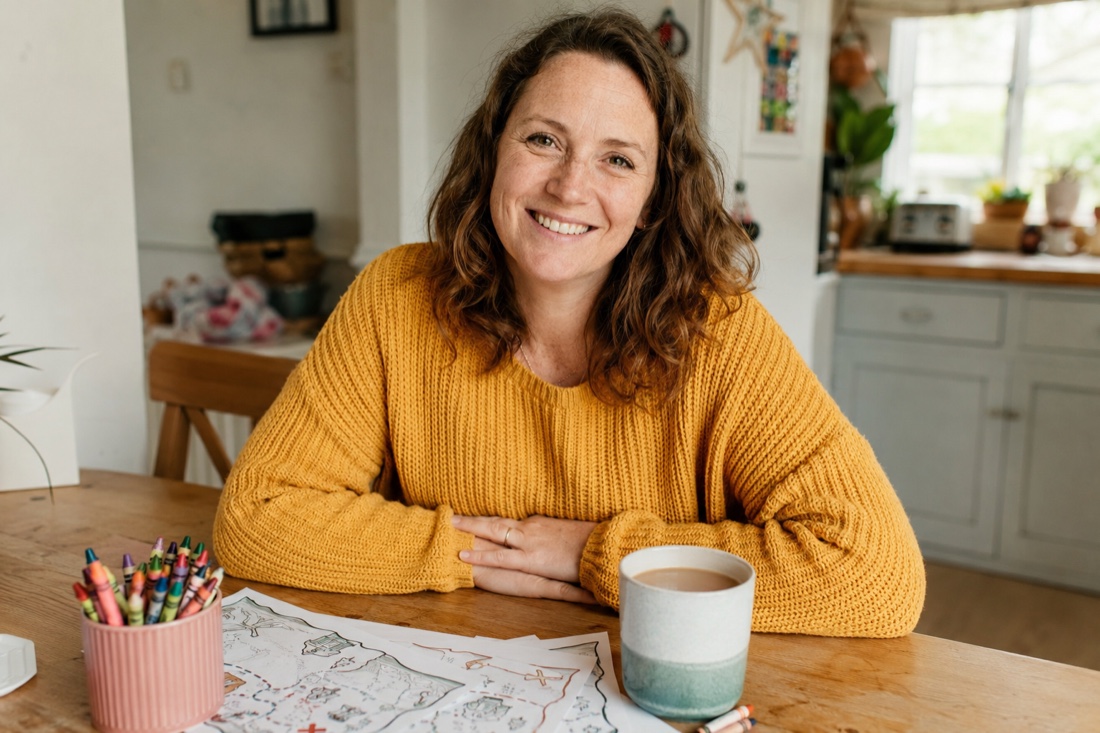
Written and play-tested by Hannah — a Yorkshire mum of two and former primary-school teaching assistant. Last reviewed July 2026.
Hannah is the mum behind Riddlelicious — a former primary-school teaching assistant who tests every printable hunt on her own two before it reaches the shop.


