

- Picture clues work brilliantly for ages 4–6; rhyming clues are the sweet spot for 6–8; riddles and codes suit 8+
- Every clue must match a real, safe location in your home — the answer to a riddle should point to an actual hiding spot
- Print clues on bright-coloured paper and keep them short (2–4 lines max) — white text on white paper disappears, and long clues lose kids
- Hide clues in reachable spots (shoulder height for older kids, hand height for younger) and always test them before the hunt
- Mix clue types through the hunt to maintain interest, and always include a backup copy of your full route in case a clue gets lost
Treasure Hunt Clues by Age Group
Finding the right treasure hunt clues for kids is half the battle—get them wrong, and you’ve either got bored children ten minutes in or a meltdown when a clue is too cryptic. After roughly a hundred birthday parties and rainy-Saturday treasure hunts in our Yorkshire kitchen, living room, and garden, I’ve learned what actually works: clues need to match your child’s age and reading level, fit the rooms you actually have, and be practical enough that you’re not scrambling to adapt them at the last minute.
This is a proper bank of ready-to-use clues, organised both by age group and by location, so you can pick exactly what you need and adapt it to your home in about thirty seconds. Picture clues for five-year-olds, rhyming clues for six- to eight-year-olds (the sweet spot), riddles for older kids, and simple codes for the slightly-too-cool lot. Most importantly, each comes with how to fit YOUR house.
The biggest mistake I made early on was writing clues that were either far too easy or impossible. Kids’ reading levels and patience spans change dramatically between five and ten, so it’s worth tailoring the difficulty. I once wrote the same clue for Oscar (eight) and Lily (five). Oscar solved it in 10 seconds and felt cheated; Lily spent five minutes utterly baffled. Now I always adapt.
Picture Clues (Ages 4–6)
Younger children can’t reliably read much text, so picture clues are your friend. Draw or print a simple picture of the next location and let them figure it out. Here’s what works:
- A big bed: Draw a bed, hide the next clue under a pillow or in a duvet corner. Kids instantly understand “bedroom” and love the hunt.
- A bowl and spoon: Points them to the kitchen. Hide their next clue in a cupboard, behind the cereal box, or taped to the fridge—somewhere they can reach safely.
- A toilet: Kids find this hilarious. Hide the clue in a toilet-paper roll (sealed in a sandwich bag first!), or tucked behind the bathroom door.
- A tree or sun: Gets them to the garden or outdoors. Hide the clue under a garden chair, in a shed, or pinned to a fence post.
- A TV: Living room. Simple, unmissable.
Pro tip: laminate or seal clues in plastic wallets to stop the inevitable juice spill mid-hunt. This is the voice of hard experience.
Rhyming Clues (Ages 6–8)
This is the sweet spot for treasure hunts. Kids can read simple rhyming couplets, love the rhythm, and rhymes actually help them remember each clue. Here are some real ones I’ve used:
- “I have a face but cannot see, look for me on the kitchen wall—tick-tock, that’s the key!” (The clock) Adapt: Hide the next clue on or behind whatever clock you have.
- “I’m cold and humming, full of food, open my door when you’re in the mood!” (Fridge) Adapt: Tape the clue to the fridge handle, or write it on a whiteboard on the fridge door.
- “Socks and shirts live here all day, tidy or messy—what do I say?” (Wardrobe/bedroom) Adapt: Hide the clue in a shoe, or pinned to the inside of the wardrobe door.
- “Hot and steamy, that’s my way, wash your hands here every day.” (Sink or bathroom) Adapt: Tape the clue to the mirror or leave it by the tap.
- “I’m soft and cosy, where you rest your head, snuggled under blankets in your bed!” (Bed) Adapt: Slide it under a pillow or between the mattress and headboard.
Riddles (Ages 8+)
Older kids want a proper challenge. Riddles work brilliantly because they build confidence when solved. Here are some I’ve road-tested:
- “I have a neck but no head. What am I?” (A bottle) Hide the next clue inside a bottle or taped to one in the kitchen.
- “I have keys but cannot open any lock. What am I?” (A piano, or a keyboard) Adapt to whatever’s in your house.
- “The more you take, the more you leave behind. What am I?” (Footsteps) Hide the clue at the start of a path or hallway and make the next location somewhere they have to walk to.
- “I speak without a mouth and hear without ears. I have no body, but I come alive with wind. What am I?” (An echo) Hide the clue outside in a garden, or near a wall where sound echoes.
Pro tip: Write the riddle on the clue card and write the answer in tiny letters on the back, or on a separate answer sheet. If kids get truly stuck, a quick hint keeps the momentum going.

Treasure Hunt Clues by Room
Kitchen Clues
The kitchen is always on the route because it’s central and there’s usually food involved.
- “I keep food cold and fresh all day, open my door—don’t delay!” (Fridge)
- “Push my buttons, I heat your food, popcorn or leftovers, that’s my mood.” (Microwave)
- “I’m tall and slim and super sweet, I hold the snacks you love to eat.” (Cupboard or pantry)
- “Drip, drip, drop, I pour out water, I’m shiny silver—what are you after?” (Tap or kettle)
- “I make your breakfast crispy and brown, don’t burn your fingers, look around!” (Toaster)
Bedroom Clues
- “I’m your nest for sleeping tight, with pillows, blankets, soft and bright!” (The bed)
- “I hold your clothes from top to toe, open me up and watch them grow!” (Wardrobe or chest of drawers)
- “I sit beside you as you rest, I might hold water, books, or your best!” (Bedside table)
- “Stories and adventure wait inside, open my covers and let them be your guide.” (Bookshelf or pile of books)
Bathroom Clues
- “I reflect your face back at you, check me out and figure out your next clue!” (Mirror)
- “Dirty or clean, I wash it all, hang me up in here on the wall!” (Towel rail or towel hook)
- “Splish, splash, splash, I fill with water, wash your hands here, like you oughta!” (Sink)
Living Room Clues
- “I flicker and glow when evening falls, I sit in the corner and brighten these walls!” (Lamp or light switch)
- “Sit down here and I’ll keep you cosy, watch a film or a show, feeling droopy?” (Sofa or armchair)
- “I’m a box full of fun and stories galore, press my buttons and open the door!” (TV remote or television)
- “I frame your memories, hung up with pride, peek behind me—there’s something inside!” (Picture frame or wall hanging)
Garden Clues
- “I stand tall with leaves so green, the prettiest thing you’ve ever seen!” (Tree)
- “I swing you high up in the air, whoosh and giggle, if you dare!” (Swing set, if you have one)
- “I grow flowers, sometimes weeds, sometimes carrots and other seeds!” (Flower bed or garden bed)
- “I’m made of wood or metal strong, you sit on me all day long!” (Garden bench or chair)
- “I keep your tools and bikes safe here, open my door without fear!” (Shed)
Code and Cipher Clues (Ages 9+)
For the slightly-too-cool kids who think riddles are babyish, codes make them feel like spies. These are simple enough that the solving part doesn’t derail the hunt:
- Simple letter swap: “Look in the CRIDBB” (where each letter is shifted back one in the alphabet). Decode: “BQFDAA” = “CUPBOARD”. You can hand out a quick decoder key.
- Number cipher: “1=A, 2=B…” Write “12-9-22-9-14-7” and let them decode “LIVING”.
- Highlighted letters: Write a normal sentence but highlight every third letter to spell out a room name.
Adapting Clues to Your Own Home
The biggest revelation I had was realising that EVERY clue needs a one-sentence “how to adapt this” note. Your kitchen isn’t mine. You might have a washing machine; I don’t. You might have a dog house; I don’t. Here’s the framework:
For rhyming clues: Swap out the object name but keep the rhythm. “I keep food cold” works for a fridge, a coolbox, or even a larder. “Hot and steamy” works for a sink, shower, or kettle. The rhyme structure is more important than the exact object.
For riddles: Use riddles that describe function rather than appearance. “I tell the time” works in any house, whether your clock is on the wall, the mantle, or the oven. “I hold your clothes” works whether it’s a wardrobe, a rail, or a chest of drawers.
For locations: If a clue mentions a room or space you don’t have, swap it for one you do. No piano? Use a bookshelf. No garden? Use a hallway or balcony. The hunt should make sense for YOUR house.
Common Clue Mistakes to Avoid
- Hiding clues too high or too low — If a child needs help reaching it, independence evaporates. Aim for shoulder height (older kids) or hand height (younger).
- Forced rhymes — Keep it simple. Near-rhymes are fine. A clear, slightly wonky rhyme beats a perfect rhyme that’s confusing.
- Hiding in places that damage things — Avoid under plant pots, on radiators, in damp garden corners. Pick safe, recoverable spots.
- Hunts lasting too long for young kids — Six to eight clues over 15–20 minutes leaves them wanting more. Longer = boredom and meltdowns.
- Forgetting the final clue’s clarity — The last clue should point clearly to the treasure: “Look where we keep the board games” not “Somewhere in the living room, good luck!”
Treasure vs. Clue Trouble
One thing I learned: the clues matter way more than the treasure. Kids will cheerfully hunt for a clue that leads to a clue that leads to a chocolate coin, whereas elaborate “treasure” with mediocre clues falls flat. Keep the physical prize small (chocolates, a toy, a certificate saying they’re “Official Treasure Hunter”) and invest your energy in making the clues engaging and age-appropriate.
If you want to make the treasure hunt experience truly memorable without scrambling to write and hide clues from scratch, there’s also the shortcut: themed, print-at-home treasure hunts come with professionally written clues already matched to ages, complete with simple adaptations for your own home. But honestly, cobbling together your own using these templates is half the fun—and your kids will know they’re personalised just for them.
The real magic of a treasure hunt isn’t the treasure. It’s the moment a child solves a clue, their face lights up, and they race off to find the next spot. That moment? That’s worth every terrible rhyme and juice-stained card. Now go and hide some clues.
Frequently asked questions
What makes a good treasure hunt clue for kids?
How do I adapt treasure hunt clues to my own house?
What’s the best age to start treasure hunts?
How many clues should a treasure hunt have?
Can I use rhyming clues and riddles in the same treasure hunt?
What if a child can’t find a clue or gets completely stuck?
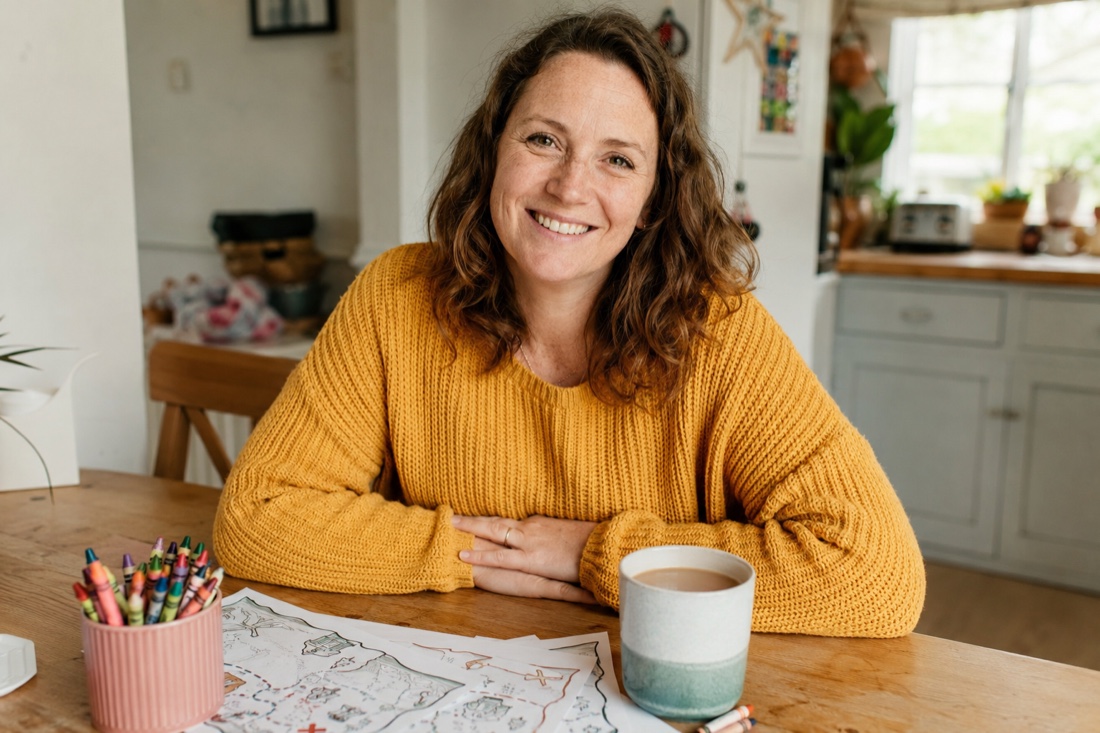
Written and play-tested by Hannah — a Yorkshire mum of two and former primary-school teaching assistant. Last reviewed June 2026.
🗺️ Ready-made hunts you can print tonight


Hannah is the mum behind Riddlelicious — a former primary-school teaching assistant who tests every printable hunt on her own two before it reaches the shop.


