

- A strong theme transforms a scavenger hunt into a memorable adventure—pirate, <a href="https://the-quest-box.co.uk/product/princess-knight-treasure-hunt/”>princess, detective, or spy themes consistently engage children across all ages.
- Clues matter more than treasure: write them in language that matches your theme (pirate clues say “Arr!”, detective clues are cryptic), so children feel genuinely immersed.
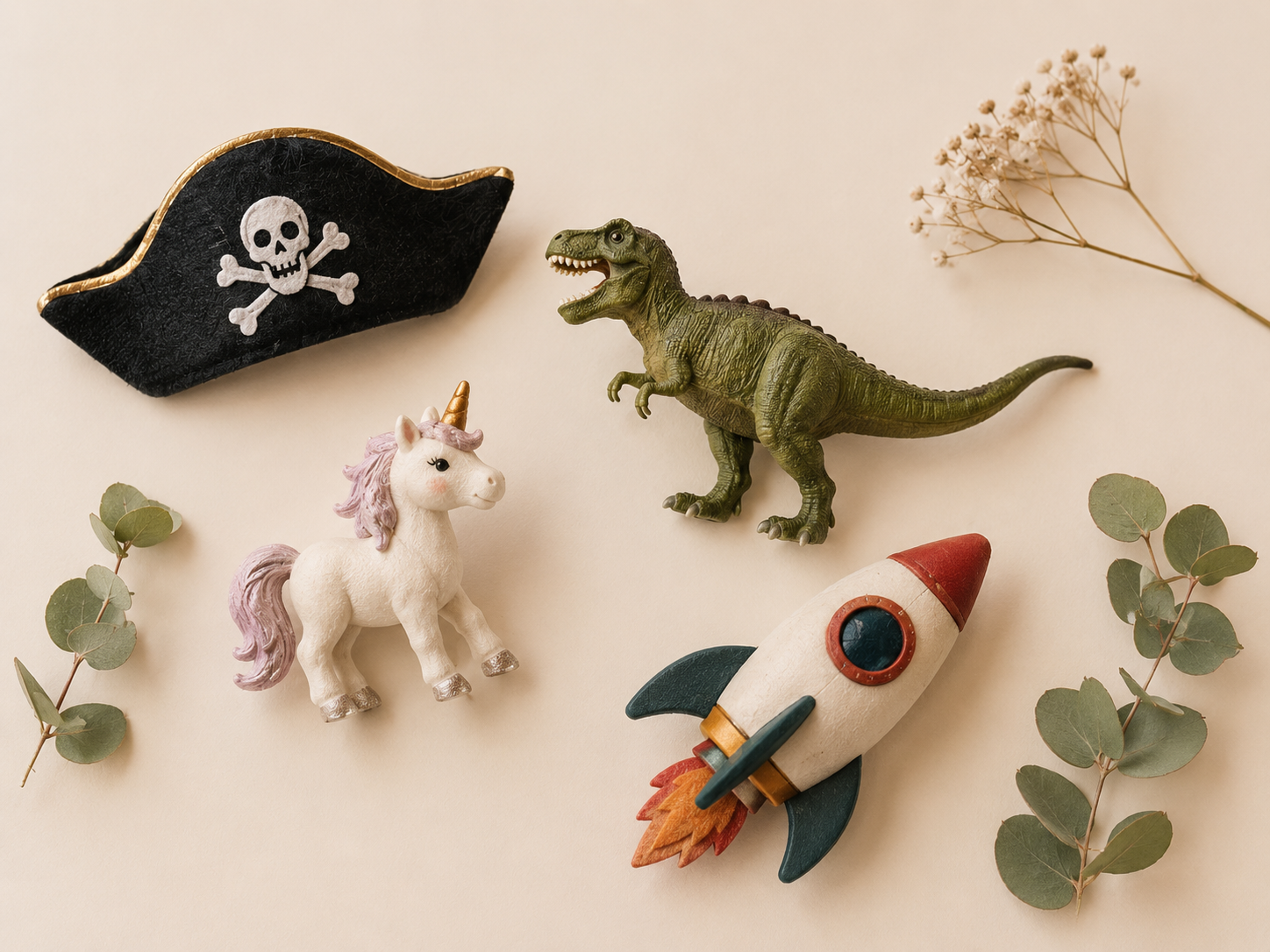
- Match themes to your child’s age and interests—toddlers thrive with simple visual themes (Dinosaur, Unicorn), older kids want complex narratives (Spy Agent, Medieval Quest).
- Props you already own (blankets, rope, cardboard boxes, torch) create authentic atmosphere better than expensive decorations—Hannah’s play-tested hundred-plus parties prove this.
- Use themed treasures (chocolate coins for pirates, sparkly tokens for unicorns) that reinforce the story, not random sweets—the treasure itself continues the narrative.
Why Themes Transform Treasure Hunts
A treasure hunt theme for kids transforms a simple search into an unforgettable adventure. After years of running parties, I’ve learned that the theme shapes everything—the clues, the story, the prizes, and the narrative that keeps children genuinely engaged from start to finish.
I once hosted two hunts the same week—one pirate-themed, one plain. Same house, same clues, same treasures. The pirate hunt? Kids stayed engaged, asked to repeat it, and remembered it for weeks. The plain hunt? Fun, but forgotten by the weekend. A theme transforms a scavenger hunt into an adventure kids actually remember. It gives purpose to clues and weight to treasure.
30+ Treasure Hunt Themes by Category
Adventure & Action Themes
These themes are for the bold, the fearless, and the kids who dream of quests and missions:
- Pirate Treasure Hunt: Hunt for buried gold and secret treasure maps. Honestly, this is the eternal winner—every generation of kids seems obsessed. Works brilliantly with chocolate coins as treasure.
- Jungle Explorer: Search the wilds for rare animal artefacts and hidden jungle treasures. Great for gardens; you’re hunting for “discoveries.” Use toy animals and faux jewels as clues and treasure.
- Spy/Secret Agent Mission: Kids crack secret codes, find classified documents, and uncover hidden gadgets. Works brilliantly with QR codes and “mission briefing” clues. I’ve printed fake mission statements with each child’s name—the personalisation absolutely thrilled them.
- Dinosaur Dig: Children are paleontologists hunting for fossils and prehistoric treasures buried in sand, blankets, or cushions. Perfect for younger children.
- Safari Adventure: Locate rare animals, wildlife clues, and nature treasures hidden around the house or garden.
- Mountain Climber’s Quest: Hunt for base camp supplies and summit treasures as kids “climb” through different rooms or garden zones.
- Underwater Ocean Quest: Search for sunken treasure, rare sea creatures, and mermaid artefacts. Works indoors with blue balloons and “ocean” zones.
Magic & Make-Believe Themes
Perfect for the dreamers and storytellers—these themes live on imagination:
- Princess & Knight Adventure: Hunt for a royal crown, enchanted jewels, and the key to the castle treasure room. Works for all genders; I’ve seen plenty of kids of every persuasion absolutely love this one.
- Unicorn Quest: Find magical horns, rainbow treasures, and enchanted tokens hidden in a “mystical forest” (your garden or lounge). Bright, joyful, endlessly customizable. Lily’s favourite hunt involved glitter, rainbow ribbons, and temporary sparkly tattoos as prizes.
- Fairy Garden Discovery: Kids hunt for fairy doors, magic potions (jam jars), and hidden fairy gold. Wonderful for younger children.
- Wizard’s Academy: Search for spell ingredients, enchanted wands, potion bottles, and the master spellbook. Pairs beautifully with Harry Potter-style clues.
- Dragon Hunter’s Journey: Kids seek dragon eggs, treasure hoards, and mystical tokens. Great for mixing adventure with fantasy.
- Mermaid Lagoon Treasure: Hunt for pearl treasures, mermaid crowns, and sea-glass jewels. Excellent for water-based parties or indoor “lagoon” zones.
- Enchanted Forest Quest: Kids discover hidden spells, magical artefacts, and secret treasures in an enchanted woodland.
Animals & Nature Themes
These celebrate the natural world—perfect for outdoor hunts and nature-loving kids:
- Wildlife Photographer: Hunt for animal-themed photos, nature clues, and nature treasures. Kids use their own cameras or draw what they find.
- Butterfly Collector: Search for hidden butterfly tokens, flower clues, and nature prizes. Brilliant for spring; real butterflies sometimes appear as bonus rewards.
- Bird Watcher’s Treasure: Hunt for bird clues, feather tokens, and woodland treasures hidden throughout the garden.
- Woodland Animal Adventure: Kids search for squirrel acorns, fox treasures, badger badges, and other woodland tokens.
- Rainforest Explorer: Hunt for exotic animals, hidden temple treasures, and jungle secrets. Works indoors with plants and vines.
- Ocean Marine Biologist: Search for rare sea creatures, coral clues, and marine treasures. Similar to the mermaid theme but with a learning edge.
Skill & Sport Themes
For the competitive kids and sports enthusiasts:
- Olympics Champion Hunt: Kids hunt for gold medals, athletic challenge clues, and champion treasures. Pairs nicely with mini-sports challenges hidden in clues.
- Super Spy Sports Agent: Combine spy missions with athletic challenges—track down clues whilst completing fitness missions.
- Detective Mystery Hunt: Search for clues to solve a (silly, age-appropriate) crime. Magnifying glasses, “evidence” bags, and silly suspects make this magical.
- Football/Soccer Treasure: Hunt for “championship trophies,” team flags, and victory medals. Brilliant for football-mad kids.
- Basketball Star Quest: Kids hunt for basketballs, championship rings, and team treasure tokens.
- Adventure Race Challenge: Each clue location includes a mini-physical challenge—jumping, balancing, crawling—before the next clue is revealed.
World & Travel Themes
Perfect for curious kids who dream of seeing the world:
- Around the World Journey: Kids hunt for treasures from different countries, solving clues linked to Paris, Tokyo, Egypt, Australia, etc. Educational and adventurous.
- Pirate’s Caribbean Voyage: Search across “different islands” (rooms or garden zones) for pirate treasures and ancient maps.
- Egyptian Tomb Treasure: Hunt for golden scarabs, hieroglyphic clues, and pharaoh’s treasures. Mysterious and thrilling.
- Amazon Expedition: Kids search for tribal treasures, rare plant clues, and jungle artefacts.
- Space Station Mission: Hunt for alien artefacts, moonbase supplies, and cosmic treasures. Fantastic for tech-loving kids; glow-in-the-dark adds magic.
- Medieval Castle Quest: Search for royal treasures, knight’s tokens, and castle secrets hidden throughout the “kingdom.”
Superhero & Character Themes
For kids who love costumes and heroic adventures:
- Superhero Training Academy: Hunt for hero badges, power-up tokens, and secret headquarters treasures. Great for mixed-age groups.
- Batman Detective Hunt: Dark, mysterious, clue-heavy. Perfect for older kids who love riddles.
- Spider-Man City Hunt: Kids search for web clues, villain treasures, and city-wide tokens. Works brilliantly indoors or in a garden.
- Princess Rescue Quest: A narrative theme where kids must solve clues to “rescue” a princess (a parent in a crown, or a stuffed toy). Emotional investment keeps kids engaged.
- Superhero VS Villain Hunt: Clues alternate between hero missions and “villain traps” to overcome. Doubles the narrative fun.
Seasonal & Holiday Themes
Christmas Treasure Hunt: Hunt for hidden Christmas decorations, Father Christmas tokens, and a “holiday treasure chest.” Clues can include carols, reindeer riddles, and sleigh-themed puzzles. I’ve done this with chocolate coins wrapped in gold foil—absolutely magical.
Easter Egg Adventure: Classic egg hunt with a twist: each egg contains a clue leading to the next location. Hidden eggs can also reward completion of mini-challenges. The theme works because it’s familiar, but the clue-and-hunt combination feels fresher.
Halloween Mystery Hunt: Search for hidden “monster treasures,” spell ingredients, and spooky artefacts. Perfect for October; kids love the slightly creepy theme without genuine scares.
Spring Treasure: Hunt for spring-themed treasures, bunny tokens, and flower clues. Brilliant for celebrating new growth and warmer weather.
Summer Beach Treasure: Search for sandy treasures, shell clues, and seaside prizes. Works indoors with sand trays and outdoor beaches—same concept, different setting.
Autumn Harvest Hunt: Kids hunt for harvest tokens, leaf clues, and autumn treasures. Beautiful for connecting to the seasons and natural change.
How to Bring a Theme to Life: Five Tested Steps
Step 1: Craft a Simple Story
Don’t overthink this. A one- or two-sentence story is enough. For a pirate hunt: “Captain Redbeard hid his treasure somewhere in the garden—can you find it before his rival pirates do?” For a princess theme: “The magical jewels have gone missing, and only true knights can find them.” The story should answer: Who is hunting? What are they looking for? Why does it matter?
Step 2: Write Clues That Match the Theme
This is where many parents falter. Clues don’t have to be complicated riddles; they just have to sound like they belong to the theme. Here are real examples from my own parties:
Pirate theme: “Arr, matey! Next ye’ll find treasure by the place where we tie the ship’s rope.” (The back-garden clothesline—where I’ve hidden the next clue.)
Princess theme: “The royal treasure is hidden where the kingdom’s servants wash their hands.” (Bathroom.)
Spy theme: “Agent, proceed to the mission briefing location. You’ll find your next orders in a place where we keep things cold.” (The fridge.)
Dinosaur theme: “Archaeologists! The fossil is buried in the place where we read stories before bed.” (Bedroom, under a pillow.)
The key: write clues that are easy enough that kids can solve them alone, but feel specific to the theme. That’s what makes the adventure feel real.
Step 3: Match the Treasure to the Theme
This makes an enormous difference. A pirate hunt ending with sticker sheets feels disappointed. A pirate hunt ending with chocolate coins wrapped in gold foil feels triumphant.
- Pirate: chocolate coins, plastic jewels, “treasure” certificates
- Princess: plastic tiaras, faux jewel rings, golden tokens
- Spy: “classified” mission briefings (folded paper with kids’ names), secret codes written in invisible ink
- Dinosaur: fossil kits, dinosaur stickers, “paleontologist certificates”
- Unicorn: rainbow ribbons, glitter, sparkly temporary tattoos, pastel sweets
- Superhero: superhero masks, comic books, printed “hero certificates”
The rule: anything that reinforces the story is treasure. A chocolate coin is treasure because it’s gold and fits the pirate tale. A sticker sheet is treasure because kids love stickers, but it doesn’t feel like part of the adventure.
Step 4: Use Simple Props You Already Own
You don’t need to buy fancy decorations. After years of parties, I’ve learned that authenticity beats expense. Here’s what actually works:
- Torch (regular torch from the cupboard) – transforms a hunt into a “night mission”
- Magnifying glass (a children’s toy, or a real one) – perfect for detective hunts
- Blankets and cushions – becomes a jungle canopy, a cave, a castle
- Rope or string – creates a “treasure trail” or “perimeter”
- Coloured paper – print a simple treasure map (even a badly drawn one adds atmosphere)
- Wellies or outdoor gear – hands out at the start for “expedition” themes
- Old scarves or fabric – blindfolds for “mystery clue” challenges or pirate bandanas
- Cardboard boxes – becomes a treasure chest, a bomb to defuse, a machine to operate
Honestly, the most magical hunts I’ve hosted didn’t cost much. The theme and story made them feel expensive.
Step 5: Do a Trial Run
Walk through your own hunt before the party or play session. Check that clues are legible, treasures are easy to spot (or appropriately tricky), and the flow makes sense. I once hid a clue so well in Oscar’s bedroom that neither of us could find it for 15 minutes. Now I hide things, then retrieve them before guests arrive—yes, it sounds silly, but it saves embarrassment.
Matching Themes to Age and Interests
Here’s where my teaching-assistant background comes in handy. After working with hundreds of children, I’ve noticed patterns in what captivates different ages and temperaments:
For Younger Children (Ages 3–5)
Use simple themes: Dinosaur Dig, Fairy Garden, Jungle Explorer, or Unicorn Quest. Read clues aloud, keep hunts short (3–4 locations), and hide treasures in obvious spots with gentle hints. These age groups thrive on visual clues and simple language.
For Ages 6–8
Pirate, Princess & Knight, Detective Mystery, and Spy Agent themes thrive here because kids love role-play and narrative. They can read clues independently and enjoy simple riddles. Treasures feel more satisfying when they’re multiple items in a chest rather than a single sweet. This is the sweet spot where kids genuinely get immersed in character.
For Older Kids (Ages 9–12)
Detective Mystery, Spy Agent, Around the World Journey, and Medieval Castle Quest appeal because they’re puzzle-heavy and complex. These children appreciate codes, hidden meanings, and multi-step clues. A time limit or “rival team” element boosts engagement. Oscar at this age actually wants his hunts to be harder—if he solves everything in 10 minutes, he’s annoyed.
For Mixed-Age Groups
Pirate Treasure, Superhero Training Academy, and Jungle Explorer work well because clue difficulty can be adjusted on the fly. Quieter children may prefer quieter themes like Detective Mystery over high-energy ones like Superhero Academy.
Indoor vs. Outdoor Themes
Some themes work brilliantly both ways; others suit one setting far more:
Best for Gardens/Outdoors: Jungle Explorer, Dinosaur Dig, Safari Adventure, Wildlife Photographer, Woodland Animal Adventure, Olympic Champion Hunt, Adventure Race Challenge, Around the World Journey, Butterfly Collector, Beach Treasure Hunt
Best for Indoors: Spy Agent Mission, Detective Mystery, Wizard’s Academy, Princess & Knight, Dinosaur Dig (with sand tray), Space Station Mission, Superhero Training Academy, Dragon Hunter, Fairy Garden (scaled down), Medieval Castle Quest
Works Equally Well Either Way: Pirate Treasure Hunt, Unicorn Quest, Ocean Marine Biologist, Enchanted Forest Quest, Time Travel Adventure
Getting Started: A Simple 7-Step Checklist
- Choose your theme based on your child’s interests and age.
- Decide on a story—one or two sentences that answer: who is hunting, what are they seeking, why?
- Plan 4–6 clue locations (younger kids: 3–4; older kids: 6–8).
- Write themed clues that hint at each location in language that fits the theme.
- Choose a themed treasure (coins, tokens, certificates, sweets—something that feels like part of the story).
- Set up locations and hide clues; do a trial run to check difficulty and timing.
- Read the story aloud when you kick off, hand out the first clue, and let the adventure begin.
- Clues are too hard or cryptic: Kids get stuck after 5 minutes and lose motivation. Solution: write clues one-level easier than you think, and test with another adult first.
- Treasures don’t match the theme: Random sweets feel disappointing after a pirate hunt. Solution: buy themed items (pound-shop chocolate coins, temporary tattoos, plastic jewels) that reinforce the story.
- Too many clues for attention spans: A 6-year-old loses focus by clue 7. Solution: stick to 4–6 clues max for younger kids; limit to 20–30 minutes total.
- Hiding spots are too obvious or too hidden: Children solve instantly and feel bored, or search for 10 minutes and get frustrated. Solution: test the hunt yourself before guests arrive.
- No theme language in clues: A pirate hunt with clues like “Go to the kitchen” feels generic. Solution: make every clue sound like it belongs to the theme—even simple directions can be theme-matched.
Frequently asked questions
What’s the most popular treasure hunt theme for kids?
How do I match a treasure hunt theme to my child’s age?
How do I make a treasure hunt theme feel authentic without spending lots of money?
Can I combine two treasure hunt themes?
What’s the best way to write clues for themed treasure hunts?
Why do themed hunts work better than plain treasure hunts?
Pick a theme your child loves, spend an hour planning, and watch their face light up. The theme brings the adventure to life.
For related guidance, see treasure hunt ideas by age, how to plan a treasure hunt for kids, and treasure hunt clues for kids.
Written and play-tested by Hannah — a Yorkshire mum of two and former primary-school teaching assistant. Last reviewed June 2026.
🗺️ Ready-made hunts you can print tonight


Hannah is the mum behind Riddlelicious — a former primary-school teaching assistant who tests every printable hunt on her own two before it reaches the shop.


